






Draperies

Personally crafting every detail of your interior until it perfectly complements your home.

Window Treatments – Scale & Proportion Are Key

The most common mistake that homeowners make when doing their windows is getting the proportions wrong: a valance or cornice that’s too small, draperies that don’t stack off the windows and cover up too much of the view, or skimpy side panels made with too few widths of fabric.

These little design flaws make all the difference in the finished appearance of the windows and the room.draperies

Getting proportions right takes a good eye and a lot of experience. One size does not fit all, so it can pay to have window treatments created specifically for the windows in your home. Custom furnishings are often as cost-effective as fancier ready-mades, and can represent a great value.

Drapery Design Options

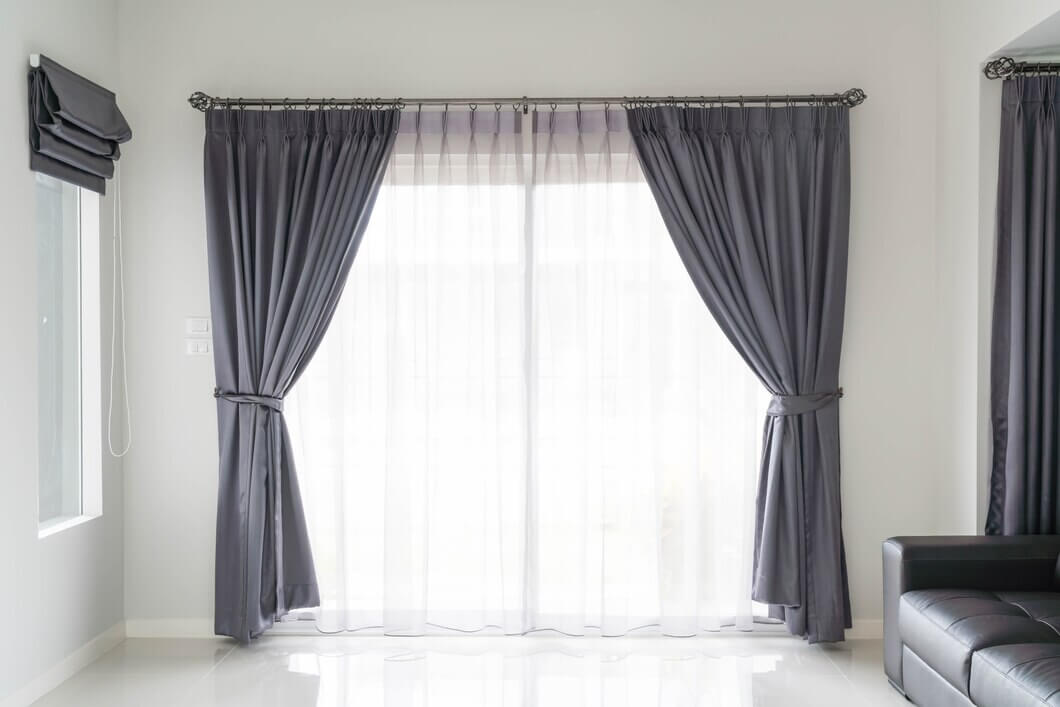
Pleated Draperies

Pleated draperies offer a timeless and structured appearance that works well in both traditional and modern interiors. Their evenly spaced folds create a clean, elegant look while allowing the fabric to hang beautifully.
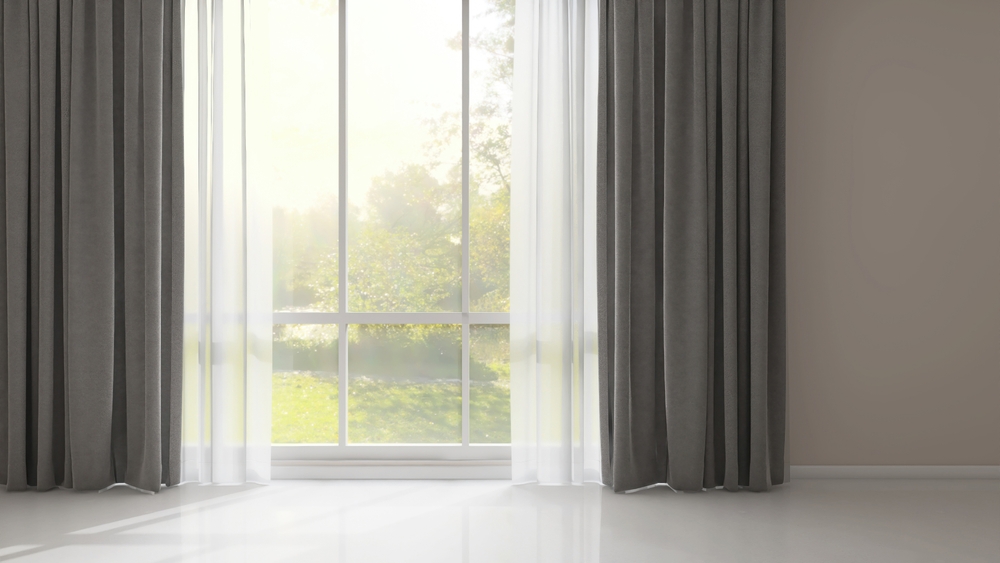
Ripple Fold Drapery

Ripple fold drapery features soft, continuous waves that create a sleek and contemporary style. This design is ideal for large windows and sliding doors, offering smooth operation and a refined aesthetic.
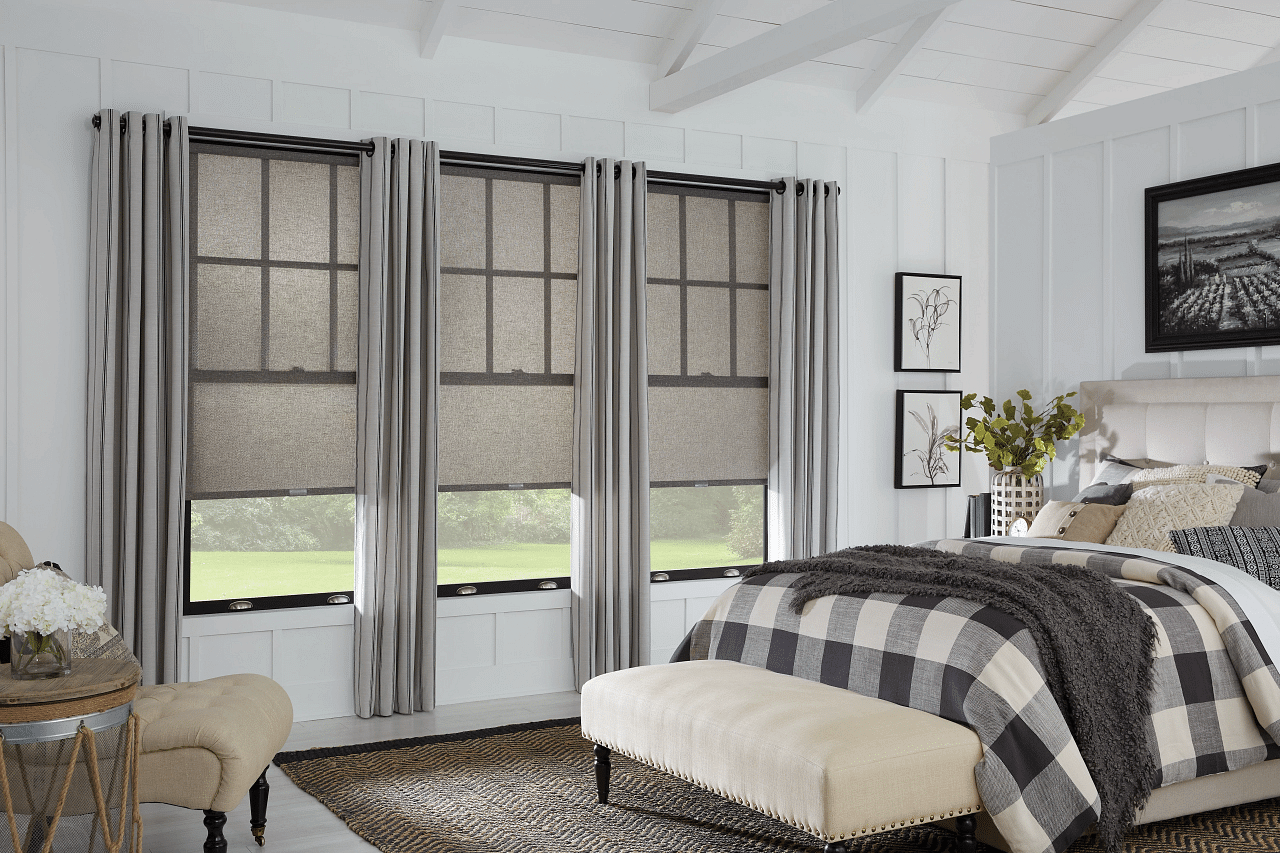
Stationary Side Panels

Stationary side panels frame your windows without fully covering them, adding depth and decorative detail to the room. They are perfect for layering with shades or blinds while maintaining an open view.

Layered Drapery Systems

Layered drapery systems combine multiple window treatments, such as sheer curtains with heavier drapes. This approach provides greater flexibility for light control, privacy, and overall design impact.

Draperies – Form vs. Function

This has a lot to do with the design and proportion of a window treatment. Does it need to clear French doors? Protect from hot afternoon glare? Provide privacy? Enable viewing of the TV or computer screens? Understanding what the room requires will help create the appropriate design solution.

A room that requires privacy will need blackout shades or interlined fabric panels, wood blinds, woven wood shades, or cellular shades to provide functionality.

A second layer with soft fabrics and pleasing color accents adds an inviting decorative element. A more formal room might benefit from a third layer in the form of a valance, cornice board, or other top treatment.

Scroll to Top